
Electric Fireplace Producing No Heat: What's Wrong and How to Fix It
Flame running but no heat coming out? Work through these checks, from thermostat settings to blocked vents, before assuming your electric fireplace needs a repair.


An electric fireplace with no heat but a working flame is one of the most common service calls in this category, and in most cases it's not a broken heater at all. Because the flame effect and the heater are separate systems on almost every electric fireplace, whether it's a built-in unit or an insert, the flame can run for years after the heater stops working, or the heater can simply be switched off without you realizing it. This guide walks through the checks to run before assuming the unit needs a repair or replacement part.
TL;DR
Most of these checks take a few minutes and don't require tools. Have these on hand before you start:
Work through these in order. Most no-heat calls get resolved in the first two or three steps.
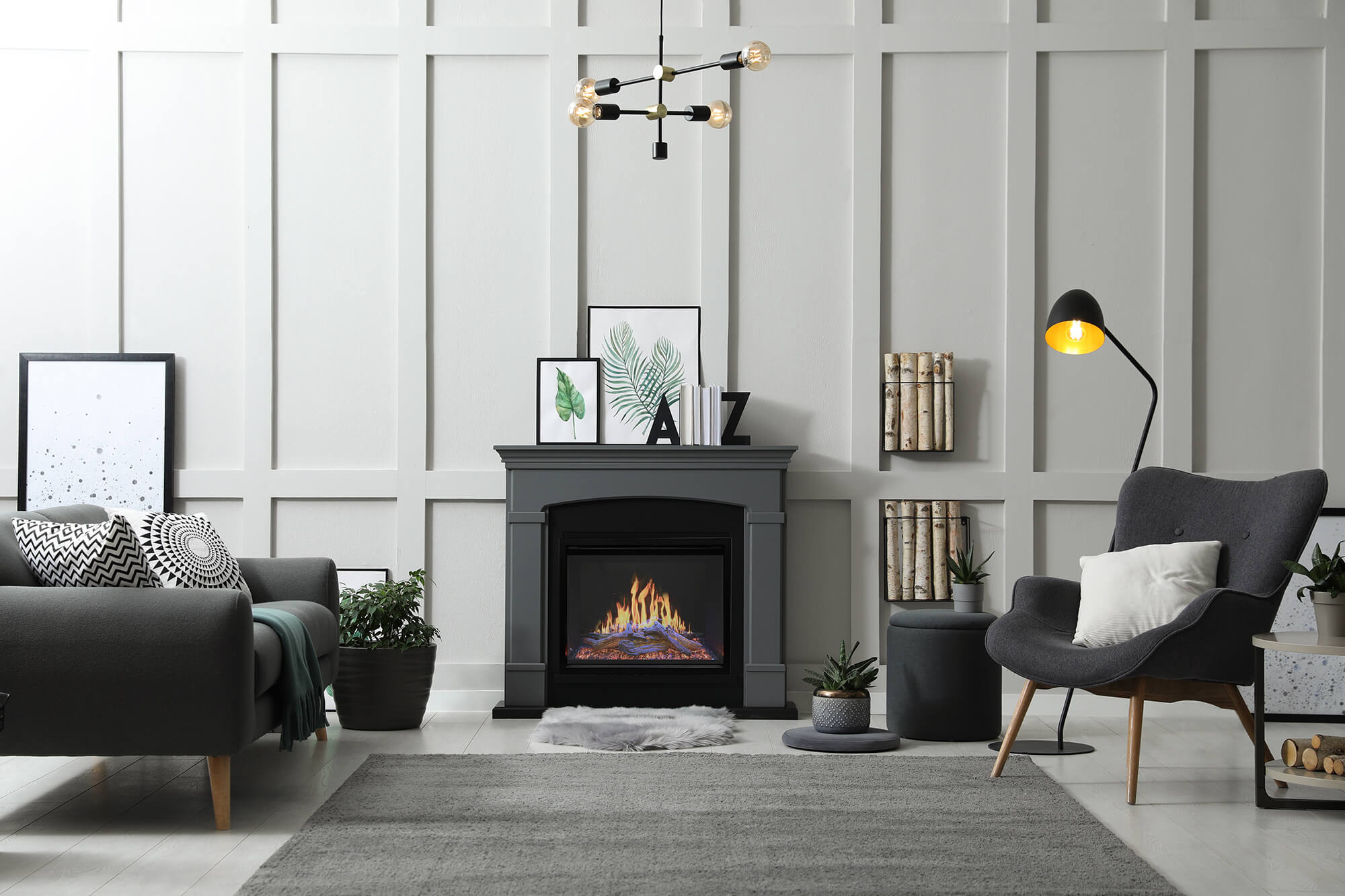
A built-in electric fireplace running its flame effect. Flame and heat are controlled separately on most models, which is the first thing to check when heat output stops.
If you've worked through all six steps and the heater still won't engage, note exactly where it failed. A unit that won't power on at all points to the outlet, cord, or breaker. A unit that powers on and runs the flame but never triggers the heater, even with the thermostat set well above room temperature, points to the heating element or its control board. That distinction matters for whichever technician you call next, since it narrows the visit from a general diagnostic to a specific component check.
Some symptoms point to something beyond a settings or airflow fix. Stop troubleshooting and call a qualified electrician or fireplace technician if you notice any of the following:
These point toward a failed heating element, damaged wiring, or a fan motor problem, all of which call for a component-level repair rather than a settings fix. Check your original order confirmation or the manufacturer's site for the model's warranty terms before paying out of pocket for a service call.

A built-in insert installed in a brick surround. Blocked front or top vents are a common, easy-to-miss cause of a tripped thermal cutoff.
A quick vent and fan check once a season, at the start of heating-heavy months, catches most airflow-related shutdowns before they happen. If the unit runs daily through fall and winter, vacuum the intake and exhaust vents every 4 to 6 weeks to keep dust from building up on the fan and heating element. Units in homes with pets or a lot of foot traffic near the fireplace need this more often, since pet hair and carpet fiber are two of the most common causes of a clogged blower.
If the fireplace sits unused for months between seasons, run it on flame-only for a few minutes before switching on the heater the first time, then confirm the heater engages normally. That catches a stuck thermostat or a dust-triggered cutoff before you're relying on it for actual warmth.
If troubleshooting turns up a bigger issue than a settings fix, such as a fan that's aged out or a unit that's no longer worth repairing, browse our full electric fireplace collection for a replacement sized to the room.
On most models, the flame effect and the heater are separate systems, so the flame can keep running even if the heater is switched off, the thermostat is set too low, or a thermal safety cutoff has tripped. Work through the thermostat, outlet, and breaker before assuming a part has failed.
This is almost always the built-in thermal cutoff responding to blocked vents or dust buildup on the fan. Turn the unit off, let it cool for at least 30 minutes, clear anything blocking the front or top vents, and try again.
Yes, on some models the flame effect runs on a separate low-draw circuit from the heater, so a partial electrical fault can take out heat while the flame keeps working. If the breaker trips again right after resetting it, stop and call an electrician rather than resetting it repeatedly.
If the heater still won't run after confirming the thermostat setting, testing the outlet, resetting the breaker once, and letting the unit fully cool with clear vents, the heating element or a related component is the likely cause. At that point it's a job for a qualified technician rather than further self-troubleshooting.
Flame running but no heat coming out? Work through these checks, from thermostat settings to blocked vents, before assuming your electric fireplace needs a repair.

The Dimplex Opti-Myst Linear Vapor Fireplace uses water and light instead of combustion to create its flame effect. Here's how the technology works, what rooms it suits, and how it compares to a standard electric fireplace.

{"one"=>"Select 2 or 3 items to compare", "other"=>"{{ count }} of 3 items selected"}
Leave a comment